
 By
By In 2026, the city of Leeds has reclaimed its title as a textile powerhouse, but with a modern, circular twist. The historic “Northern Powerhouse” of wool is now the UK’s leading hub for Zero-Waste Fashion Workshops, where residents are swapping fast-fashion hauls for “forever-fix” skills.
To Know More:- How British Soft Power Still Shapes the World
The New Northern Loom
The shift in Leeds is driven by a unique collaboration between local universities, independent designers, and a community that prides itself on industrial heritage and “making do.”
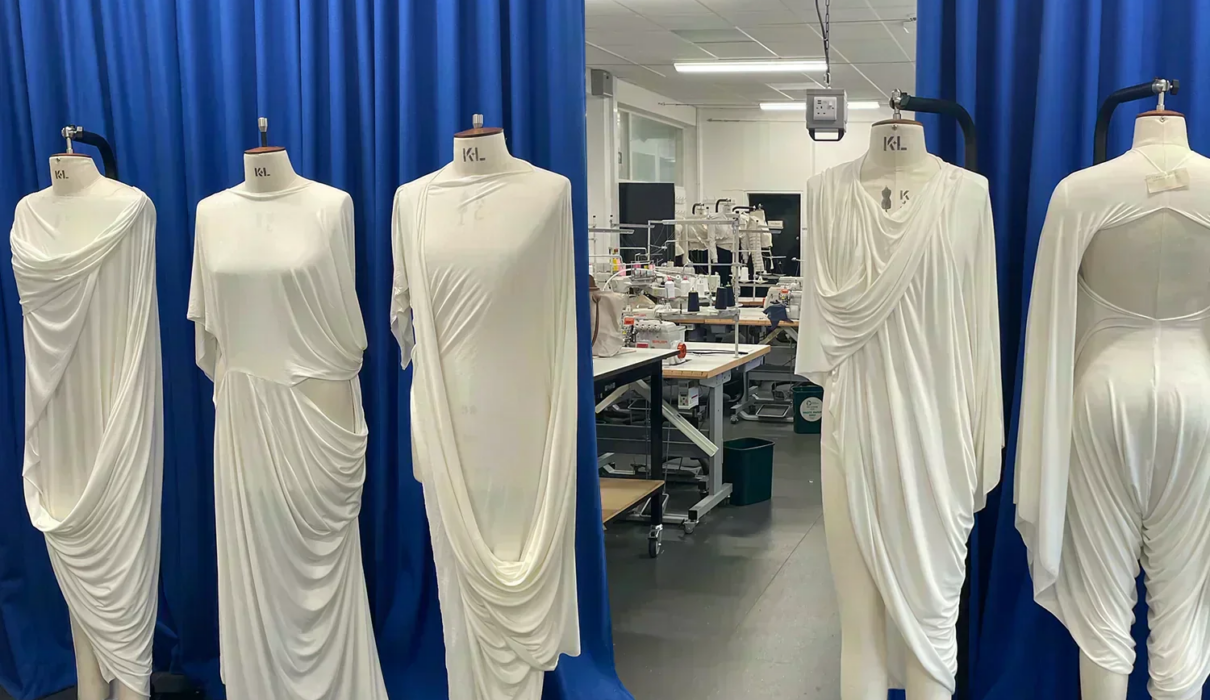
- The Circular Fashion Incubator: Centered at Leeds Beckett University, this hub has pioneered events like the International Circular Fashion Week. In 2026, it serves as a permanent space where students and locals use discarded materials to create high-fashion silhouettes.
- Textile Innovation: With the University of Leeds launching dedicated Textile Innovation and Sustainability degrees, the city has become a living laboratory for testing bio-based dyes and recycled fibers before they hit the global market.
- Kirkstall Abbey Fashion Show: This annual event has become a 2026 highlight, featuring “Dreamscape” themes where every garment on the catwalk must be 100% upcycled or second-hand.
Skill-Sharing as a Social Ritual
In Leeds, “Zero-Waste” isn’t just a technical term; it’s a weekend social activity. Workshops are popping up in reclaimed mills and city-center pop-ups.
- The Corset Revival: A standout trend this year involves reclaiming obsolete garments, like old corsets or denim, and reimagining them into modern streetwear. These workshops focus on “reconstruction” rather than just repair.
- Visible Mending Cafés: Taking a cue from the “Sashiko” tradition, Leeds residents are gathering in the Northern Quarter to turn tears and holes into decorative embroidery, celebrating the history of their clothes instead of hiding their flaws.
- Sustainable Dye Labs: Locals are learning to use food waste from the Kirkgate Market—like onion skins and avocado pits—to create botanical dyes, moving away from the toxic chemicals historically associated with the textile trade.
Why Leeds is Leading the Charge
The 2026 surge in zero-waste culture in Leeds is a response to both environmental necessity and the city’s specific “maker” identity.
- Affordability Meets Ethics: As the cost of living remains a focus, zero-waste workshops provide a way for young Leeds residents to stay stylish without the high price tag of luxury ethical brands.
- The “Worn Archive”: Community projects are increasingly focusing on the stories behind our clothes. Workshops often begin with a “storytelling circle” where participants share the memories attached to the items they are about to mend.
- Heritage Pride: By teaching traditional tailoring and weaving skills, these workshops are preserving the “Made in Leeds” legacy for a generation that values planet-first production.
Key 2026 Workshop Hubs:
- The Rose Bowl Atrium: Known for its large-scale circular fashion conferences and student-led Oxfam collaborations.
- Kirkstall Art Trail: The destination for those looking to see their upcycled creations move from the workshop to the runway.
- The Clothworkers Building: Where high-tech textile science meets practical, hands-on garment construction.
To Know More:- The Rise of Solo Living in London