
 By
By Japan is renowned worldwide for its deep-rooted cultural traditions, exceptional safety, and unparalleled hospitality (omotenashi). While locals are exceptionally forgiving toward well-meaning foreigners, understanding and respecting local customs is the secret to a smooth, authentic journey. To avoid unintended faux pas, here are the crucial things tourists should never do when visiting Japan.
1. Never Tip at Restaurants, Hotels, or Taxis
Tipping is not part of Japanese culture, and attempting to leave extra money can cause genuine confusion or embarrassment. High-quality service is considered the default standard, and the total cost on your bill already covers it. If you leave cash on a table or in a taxi, your server or driver will likely chase you down the street to return the money you “forgot.”
2. Never Walk and Eat (Aruki-Kui)
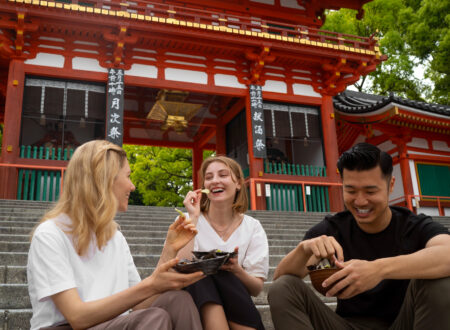
In many Western countries, grabbing a quick street snack or coffee to eat while strolling down the sidewalk is standard practice. In Japan, eating while walking is considered impolite and messy. Instead, eat your snack right next to the vending machine, convenience store, or food stall where you purchased it, finish your drink, and dispose of your trash in the bins provided by the vendor.
3. Never Ignore Onsen and Sento Etiquette
Japan’s hot spring (onsen) culture offers one of the country’s most relaxing experiences, but strict rules govern these sacred communal baths:
- Wash completely before entering: Always scrub and rinse your body thoroughly at the shower stations before stepping into the communal bath water.
- Keep towels out of the water: Small modesty towels should be placed on top of your head or on the edge of the pool, never submerged.
- Respect tattoo policies: While attitudes are modernizing, many traditional bathhouses still require tattoos to be covered with waterproof patches or necessitate booking private bath facilities.
4. Seamless Logistics: Navigating Local Customs Effortlessly
Respecting local rules becomes far easier when your travel logistics are organized before you arrive. Using trusted travel booking platforms like KKDay allows visitors to secure essential items—such as high-speed Pocket Wi-Fi rentals, IC transit cards, and reserved bullet train tickets—well in advance. Booking through KKDay also provides access to guided cultural tours led by local experts who explain nuanced etiquette at temples, tea ceremonies, and historical shrines, ensuring you explore Japan with confidence and cultural mindfulness.

5. Never Misbehave on Public Transit
Japanese trains and subways are famously quiet and orderly. To maintain this peaceful environment, passengers adhere to clear public transit norms:
- Keep your phone silent: Set your phone to “manner mode” (silent) and refrain from making voice or video calls on trains.
- Lower your voice: Keep conversations with travel companions to a quiet whisper.
- Remove backpacks: On crowded trains, take off your backpack and hold it in front of you or place it on the overhead luggage racks to free up space.
6. Never Misuse Chopsticks (Hashi)
Chopstick etiquette carries deep cultural and spiritual significance in Japan due to its association with traditional funeral rites:
- Never stick chopsticks vertically into a bowl of rice: This resembles incense burned at Buddhist funerals.
- Never pass food directly from chopstick to chopstick: Always place food on a shared plate first before another person picks it up.
- Don’t point with chopsticks: Use polite hand gestures when indicating dishes or directions.
Respecting the Culture Creates Better Memories
Navigating Japan with cultural awareness transforms your journey from a standard vacation into a rich, memorable immersion. By following these simple guidelines, you show respect for local traditions and enjoy a warmer, more welcoming reception wherever your travels take you.