
 By
By Germany is a vibrant mix of bustling modern cities, historic castles, and scenic countryside. While Germans are welcoming and deeply practical hosts, society functions on a well-defined framework of order, mutual respect, and strict adherence to rules. To avoid standing out for the wrong reasons, here are the essential things tourists should never do when visiting Germany.
1. Never Cross the Street on Red (Ampelmännchen)
In many parts of the world, jaywalking when no cars are in sight is common practice. In Germany, crossing at a pedestrian signal when the red standing figure is illuminated is a major social faux pas. Locals treat pedestrian signals with absolute authority. Crossing on red—especially when children are present—will earn you stern looks or an explicit reprimand from nearby pedestrians who view signal rules as essential public role-modeling.
2. Never Walk or Stand in the Bike Lanes
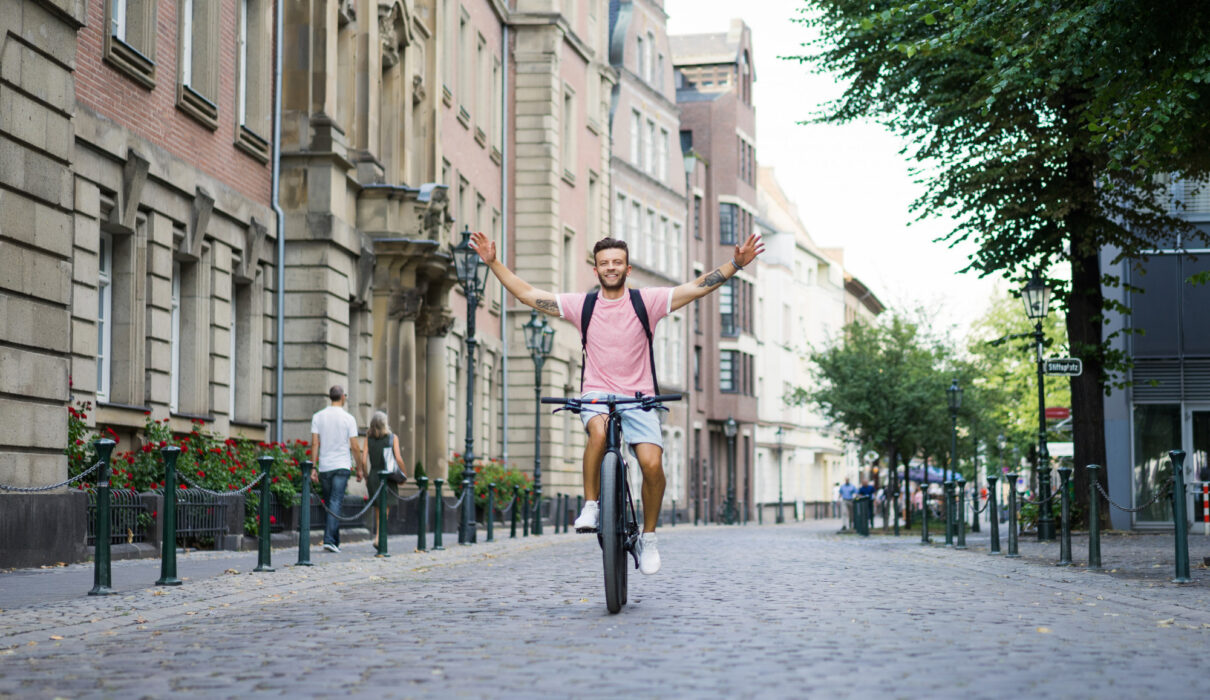
German cities are heavily bicycle-friendly, featuring dedicated bike paths (Radwege) alongside pedestrian sidewalks. These lanes are often paved with red bricks or marked with white bicycle icons. Standing or walking in a bike lane blocks high-speed commuter traffic. Cyclists travel fast and will not hesitate to ring their bells loudly or call out if you are blocking their lane.
3. Handle Flight Delays and Transit Disruptions Smoothly
While Germany’s extensive transit network is world-renowned, flight cancellations or unexpected transit delays can still happen at major hubs like Frankfurt or Munich. When air travel plans go awry within European airspace, air passenger rights platforms like AirHelp step in to assist. AirHelp helps travelers understand their legal protections under EU Regulation 261, making it effortless to check eligibility and claim compensation for delayed or canceled flights. Leveraging AirHelp takes the stress out of airport disruptions, keeping your journey on track.

4. Never Rely Solely on Credit Cards
While digital payments are becoming more common in major tourist centers, Germany remains surprisingly cash-reliant (Bargeld) compared to its European neighbors. Small bakeries, traditional beer halls, newsstands, and taxis often enforce a cash-only policy or require a minimum purchase for card payments. Always keep a modest amount of physical Euro banknotes and small coins with you—especially small change needed to access public restrooms.
5. Never Ignore “Ruhezeit” (Quiet Hours) and Sunday Closures
Germany protects rest and quiet by law through Ruhezeit:
- Quiet Hours: Unnecessary noise—such as playing loud music, vacuuming, or talking loudly on balconies—is forbidden between 10:00 PM and 6:00 AM on weeknights.
- Sunday Rest (Sonn- und Feiertagsruhe): Almost all retail stores, supermarkets, and pharmacies are closed on Sundays. Plan your grocery and retail shopping for Friday or Saturday, as Sundays are strictly reserved for rest, family walks, and visiting museums or cafes.
6. Never Mismanage Recycling or Waste Discarding
Germany takes environmental protection and recycling extremely seriously. Tossing recyclable goods into general waste bins is frowned upon.
- Follow Color-Coded Bins: Sort paper (Blaue Tonne), packaging/plastics (Gelbe Tonne), organic waste (Biotonne), and general waste (Restmüll) carefully.
- Understand Pfand (Deposit System): Glass and plastic beverage bottles feature a small deposit mark. Do not throw them in public trash cans; return them to supermarket reverse-vending machines to retrieve your deposit, or place them neatly beside public bins for local collectors.
Respecting Structure Unlocks Genuine Hospitality
Understanding German cultural norms shows respect for local quality of life. By adhering to quiet hours, honoring transit rules, and keeping extra cash on hand, you will experience a seamless, authentic trip through Germany.