
 By
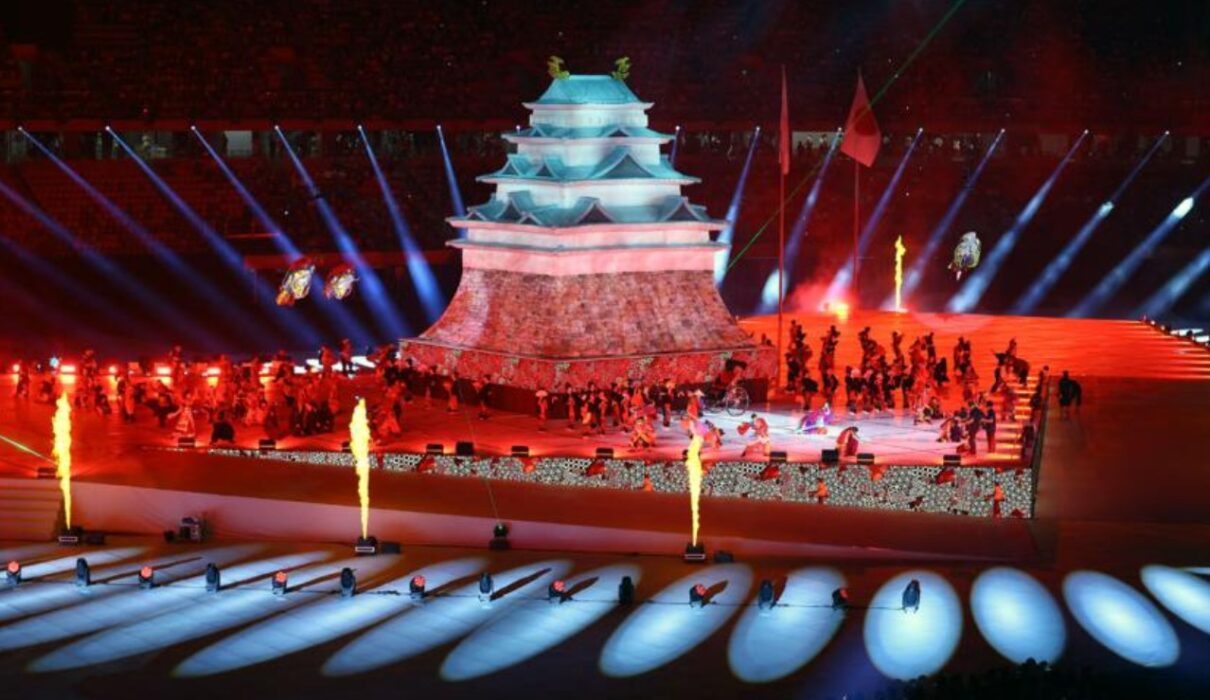
By Japan is having a big sporting moment. The Asian Games 2026 are taking place in Aichi-Nagoya from September 19 to October 4, bringing athletes from 45 countries and regions together for competitions across 43 sports.
For travellers, that makes this more than a sporting event. It is also a good reason to discover a part of Japan that can sometimes be overlooked in favour of Tokyo, Kyoto and Osaka. So, if you are planning to visit Nagoya or the wider Aichi region during the Games, here is what to know before you go.
What Are the Asian Games 2026?
The 20th Asian Games are being hosted in Aichi Prefecture and Nagoya, with the main Games period running from September 19 to October 4, 2026. Japan is hosting the Asian Games for the third time, following Tokyo in 1958 and Hiroshima in 1994.
The event features 43 sports and 469 medal events, with competitions taking place across a network of 54 venues. While Nagoya and Aichi are at the heart of the Games, some events are also being held elsewhere in Japan, including Tokyo, Osaka, Shizuoka and Gifu. That means there is plenty to see even if you are not travelling specifically for the competition.
Why Visit Nagoya During the Games?
Nagoya is a major city in its own right, but it often gets less attention from international visitors than Tokyo or Kyoto. The Asian Games offer a good excuse to spend a few days here.
Start with Nagoya Castle, explore the city’s food scene, and make time for the Toyota Commemorative Museum of Industry and Technology. Nagoya is also known for local dishes such as miso katsu, hitsumabushi, and kishimen, making the city worth exploring between sporting sessions.
And if you have more time, Aichi Prefecture opens up even more possibilities, from historic towns and cultural attractions to coastal areas and outdoor experiences.
Getting Around Aichi During the Asian Games
This is probably the most important practical point: plan your transport before heading to an event. The Games are spread across many venues, rather than being concentrated in one location. Official organisers recommend using public transport as the primary way to travel to competition venues, and temporary traffic restrictions will be introduced around some events. Check the venue information for your particular event before leaving your hotel. Some venues will also have shuttle buses and other dedicated transport arrangements.
And if you are attending multiple events, allow extra time between them. Japan’s transport network is famously efficient, but a large sporting event can still mean crowded stations and longer queues.
What Is the Weather Like in Nagoya?
Late September and early October can still feel relatively warm in Nagoya. Japan’s official tourism information puts average September highs around 29°C, while October typically sees highs around 23°C and lows around 14°C. Rain is also possible, particularly in September. Pack lightweight clothes, but bring a light waterproof layer and comfortable shoes. If you plan to combine sporting events with sightseeing or day trips, you will probably spend much more time walking than you expect.
For travellers planning longer outdoor days, a practical daypack can also be useful. Eiger ID, for example, offers hiking-focused packs such as the Hikeholic 30 SW, which has a 30-litre capacity, a water-bladder compartment, trekking-pole holder and rain cover.

Don’t Spend Your Whole Trip at the Stadium
One of the best things about visiting for the Asian Games is that the event can become part of a larger Japan trip. You could spend a day watching your chosen sport, another exploring Nagoya’s food and history, and another heading outside the city. Aichi’s location also makes it possible to build a wider itinerary around central Japan. The city itself has even launched dedicated city-tour information connected to the Games, giving visitors opportunities to explore attractions around Nagoya and Aichi.
A Few Things to Know Before You Go
- If you are attending an event, check the latest official information before travelling. Schedules and venue arrangements can change, and organisers specifically advise visitors to check updates before their visit.
- Book accommodation as early as possible, particularly if your trip overlaps with popular events. The Games have attracted more than 17,000 registered athletes and officials, adding to demand for accommodation in the region.
- Don’t think of Nagoya simply as a place to watch a sporting event. The Asian Games 2026 are an opportunity to experience Nagoya and Aichi at a particularly lively moment, when sport, food, Japanese culture and international visitors come together. If you plan beyond the stadium, you may discover that the biggest surprise of your trip is the destination itself.