

 By
By In 2026, the UK has effectively dismantled the primary barrier to electric vehicle adoption: the lack of charging infrastructure for households without driveways. The sight of an EV charging cable in a residential neighborhood is no longer a sign of an early adopter, but a standard feature of the British streetscape. This transformation was not achieved through a single massive project, but through a clever, multi-layered strategy that repurposed existing urban furniture and decentralized the power grid.
To Know More:- Post-Brexit Britain: What’s Changed in Everyday Life?
The Lamp Column Revolution
The most significant “silent” victory in the UK’s charging rollout has been the mass retrofitting of street lighting. Rather than digging up thousands of miles of pavement to install bulky new pedestals, local councils across London, Birmingham, and Manchester looked to the existing infrastructure already standing on every corner.
- Stealth Integration: By 2026, hundreds of thousands of street lamps have been fitted with discreet, flush-mounted charging sockets. This allows residents to park at the curb and plug in overnight using a standard cable, drawing power from the same supply that lights the street.
- Low-Power, High-Volume: These lamp-post chargers operate at lower speeds, ideal for “dwell-time” charging while the owner sleeps. This approach avoids the massive grid strain that would come from thousands of rapid chargers being used simultaneously in a single residential zone.
- Preserving the Public Realm: Because these chargers are integrated into existing poles, they do not add to street clutter. This has been a critical factor in gaining approval in historic UK towns and conservation areas where traditional charging hubs were previously rejected.
The LEVI Fund and Local Agency
The rapid acceleration of the network was powered by the Local Electric Vehicle Infrastructure (LEVI) fund. In 2026, this government initiative has successfully shifted the responsibility and the funding from central government to local authorities, who know their streets best.
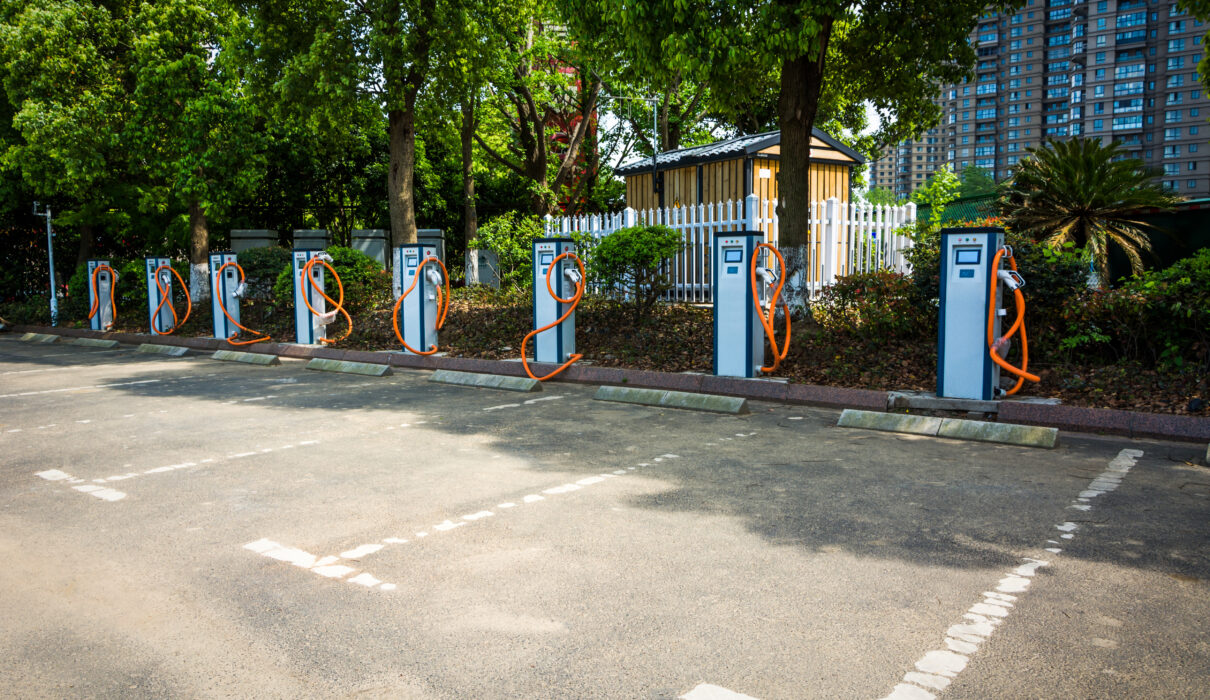
- Council-Led Rollouts: Armed with multi-million-pound grants, councils have partnered with private operators to install “cluster” hubs. Instead of one charger per street, they identify “high-density” zones—typically terraces and blocks of flats—and install banks of chargers that serve entire blocks at once.
- Cross-Pavement Solutions: For streets where lamp posts aren’t positioned near the curb, the UK has pioneered the “Charging Gully.” These are small, lockable channels set into the pavement that allow a cable to run from a house to a car safely without creating a trip hazard for pedestrians.
- Community Charging Cooperatives: A unique trend in 2026 is the rise of shared neighborhood chargers. Residents with driveways are now incentivized to share their home chargers with neighbors via local apps, turning private assets into a distributed public utility.
Standardisation and the End of App Fatigue
A major frustration of the early 2020s—the need for a dozen different apps and subscriptions—has been legislated out of existence. By 2026, the UK’s “Public Charge Point Regulations” have forced a universal standard for convenience.
- Contactless as Standard: Every new public charger on a UK street corner is now required by law to accept standard contactless debit and credit cards. There is no longer a requirement to sign up for a specific network just to get a 20-minute boost.
- 99% Uptime Mandate: Operators are now legally obligated to maintain a 99% reliability rate across their networks. In 2026, a “broken” charger is a rarity, as real-time digital monitoring and hefty fines have forced companies to prioritize maintenance over new installations.
- Data Transparency: All chargers are now linked to a national, real-time database. Whether you are using a satellite navigation system or a dedicated mobile map, you can see exactly which chargers are occupied or out of service before you even turn onto a street.
The Economic Shift: Equalising the Cost
The final piece of the puzzle in 2026 has been addressing the “charging divide.” Historically, those who couldn’t charge at home paid significantly more for electricity due to higher VAT rates on public power.
- VAT Harmonisation: Recent policy shifts have aimed to bridge the gap between the 5% VAT paid on home energy and the 20% paid at the kerbside. This has made street charging a financially viable long-term option for renters and those in flats.
- Dynamic Street Pricing: Many street-corner chargers now offer “off-peak” street rates, mirroring the smart tariffs used by homeowners. By charging between midnight and 5:00 AM, urban residents can access the cheapest renewable energy, often generated by North Sea wind during the night.
- Property Value Correlation: In 2026, a street with reliable, high-density charging is now seeing a measurable “Green Premium” in property prices. Homebuyers and renters now prioritize “Charge-Ready” streets as much as they once did high-speed broadband or good school catchments.
To Know More:- How British Soft Power Still Shapes the World